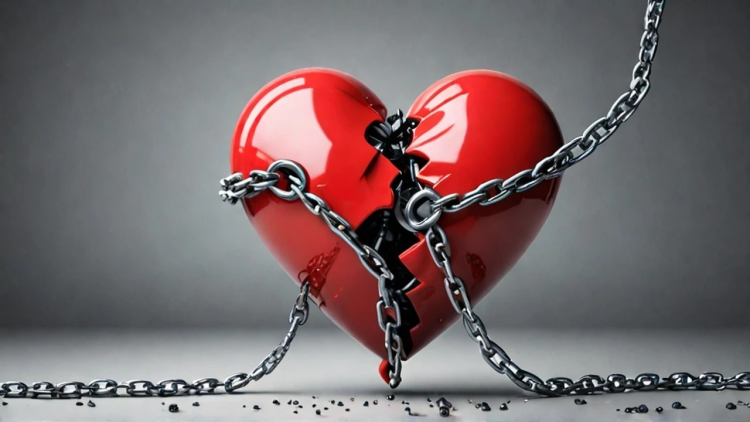
Why It’s Hard for Women to Leave Abusive Relationships
Did you know that nearly 1 in 4 women will experience intimate partner violence in their lifetime, and many of them will stay in the abusive relationship far longer than they want to? This startling statistic reflects the emotional and psychological complexities that make leaving an abusive situation incredibly difficult. For survivors, it’s not just about walking away—it’s about untangling a web of fear, manipulation, and societal expectations.
Common Barriers to Leaving
Many people wonder why anyone would stay in an abusive relationship. The truth is, the barriers to leaving are numerous and often overwhelming. Here are some of the most common reasons:
-
Fear: Abusers often use threats of harm to maintain control. Survivors may fear for their safety or the safety of their children if they attempt to leave.
-
Financial Dependence: Many abusers control finances to ensure their partner feels trapped. Without money or resources, the idea of starting over can seem impossible.
-
Emotional Manipulation: Abusers are skilled at convincing their partners that they are at fault for the abuse or that things will get better. This creates a cycle of hope and disappointment that can keep survivors in the relationship.
-
Isolation: Abusers often isolate their partners from friends and family, cutting off support systems that could help them leave.
-
Cultural and Societal Expectations: Cultural norms and societal pressure can make survivors feel ashamed or embarrassed about leaving a relationship, especially if marriage or family is involved.
The Psychological Effects of Abuse
Abuse doesn’t just harm the body; it damages the mind and spirit. Two psychological effects, in particular, make it hard for survivors to leave:
-
Trauma Bonding: This is a powerful emotional attachment that develops between a survivor and their abuser. The cycle of abuse—alternating between periods of harm and kindness—creates a deep, confusing bond that feels almost impossible to break.
-
Low Self-Esteem: Abuse erodes a person’s sense of self-worth. Survivors often feel they don’t deserve better or that they’re to blame for the abuse, making it harder to envision a life beyond the relationship.
My Personal Story
I know these barriers and effects all too well because I’ve lived them. I’ve been in two abusive relationships: one in college and another in my early 20s. Growing up, I believed in the fairy tale of falling in love and living happily ever after. I never imagined that abuse could happen to me.
When it did, I was completely unprepared. I didn’t even recognize it as abuse at first. I thought the problem was me—that I wasn’t good enough, or that I could fix things if I just tried harder. I didn’t know how to ask for help, and I was too ashamed to admit what was happening. Leaving felt impossible.
Breaking Free
Breaking free from an abusive relationship is not easy, but it is possible. It starts with recognizing the abuse and understanding that it’s not your fault. Building a support system, whether through friends, family, or professional resources, is crucial. Financial independence and safety planning are also key steps in the process.
Most importantly, survivors need to know they are not alone. There are organizations, hotlines, and communities dedicated to helping people escape abusive situations and rebuild their lives.
A Message to Survivors
If you’re in an abusive relationship, please know that you are not to blame, and you deserve a life free of fear and pain. Leaving is a journey, and it’s okay to take it one step at a time. When you’re ready, there is help available.
My experiences have shaped my passion for supporting survivors through my S.A.I.L. mentorship program (Survivors Advocate Inspire & Live).
I’ve been where you are, and I’ve found a way out. You can too. Your story doesn’t have to end in abuse—it can be the beginning of your journey to freedom and healing.