Recovering from abuse is a profound journey, one marked by resilience, courage, and a rediscovery of self. As you move forward, you have the opportunity to create a new identity, one that reflects your strength, your dreams, and the person you aspire to become. Embracing this new version of yourself isn’t about forgetting the past but about reclaiming your life and rewriting your narrative. Here’s how you can embrace your new identity after abuse and step into a brighter, more fulfilling chapter of your life.
1. Acknowledge Your Survival
Before anything else, give yourself credit for surviving. The strength it took to endure and escape abuse is a testament to your inner power. Celebrate this victory, no matter how small it may feel. Recognizing your resilience lays the foundation for building your new self.
2. Let Go of the Labels
Abuse often comes with harmful labels—those your abuser may have given you or those you internalized. You are not defined by those words. Replace them with affirmations that honor your worth: “I am strong,” “I am deserving of love and peace,” “I am enough.”
3. Discover Who You Are Now
Trauma can disconnect you from yourself. Take time to rediscover your likes, dislikes, and passions. What brings you joy? What values resonate with you? Journaling, meditation, and exploring new hobbies can help you uncover the authentic you that has been waiting to emerge.
4. Seek Support and Community
You don’t have to rebuild alone. Join support groups, seek therapy, or connect with mentors who understand your journey. Programs like S.A.I.L (Survivors Advocate Inspire & Live) provide tools and a safe space for survivors to heal, grow, and thrive.
5. Set Boundaries and Honor Them
Embracing a new identity often means establishing boundaries that protect your peace and well-being. Learn to say no without guilt. Surround yourself with people who uplift you and respect your boundaries.
6. Forgive Yourself, Not Just Your Abuser
Many survivors struggle with self-blame or shame. Forgive yourself for any perceived mistakes and remind yourself that you were doing your best in a difficult situation. Forgiveness of the abuser is about prioritizing your peace, not their redemption.
7. Visualize Your Future Self
Imagine the person you want to become. What does she look like? How does she spend her time? Use this vision as your north star, guiding your decisions and actions.
8. Celebrate Milestones
Every step forward is worth celebrating. Whether it’s starting therapy, making a new friend, or simply waking up feeling a little lighter, acknowledge these moments. They’re proof of your growth.
9. Educate and Empower Yourself
Knowledge is power. Learn about the effects of abuse and the healing process. Understanding what you’ve experienced can demystify your feelings and empower you to take control of your recovery.
10. Give Yourself Grace
Healing isn’t linear. Some days will feel empowering, while others might be challenging. Be patient and gentle with yourself. Progress is still progress, no matter how small.
Final Thoughts
Embracing your new identity after abuse is a transformative journey. It’s an opportunity to reclaim your voice, rediscover your purpose, and step into a life filled with possibilities. Remember, you are not alone, and you are worthy of happiness, love, and peace.
Start today, one step at a time, and watch as the new you begins to shine.
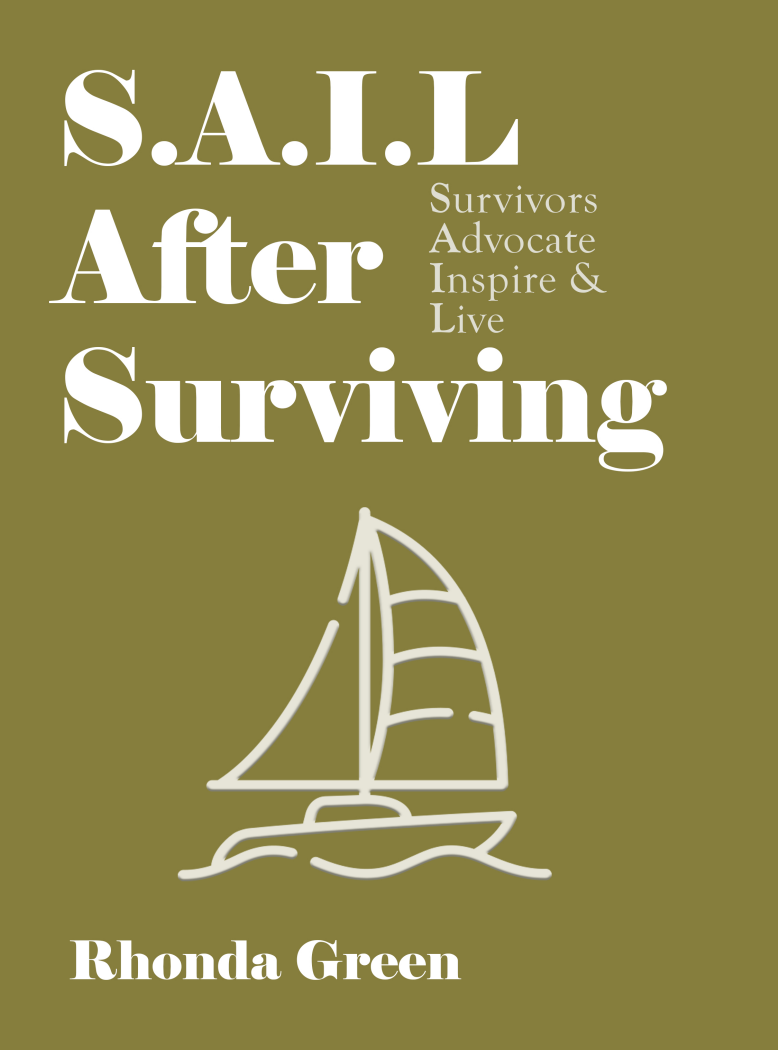
If you’re ready to embark on this journey and seek guidance along the way, explore resources like **S.A.I.L.** and surround yourself with a community that uplifts and empowers you. You deserve to thrive.